
Summer School 2026
About
The KEMAI research training group brings together computer science, medicine, ethics and philosophy of science to combine knowledge-based and learning-based systems for accurate, transparent, and ethically sound medical diagnoses.
This 3rd edition of the KEMAI Summer School from 14–16 July again brings together the RTG’s doctoral researchers, associated members, our student helpers, KEMAI early career scientists, principal investigators, and invited experts from the fields of computer science, medicine, and ethics to join us for three insightful days at Reisensburg Castle. Our aim is to advance cooperation within the research training group and, even more important, to provide a multidisciplinary forum for exchange.
Invited Speakers
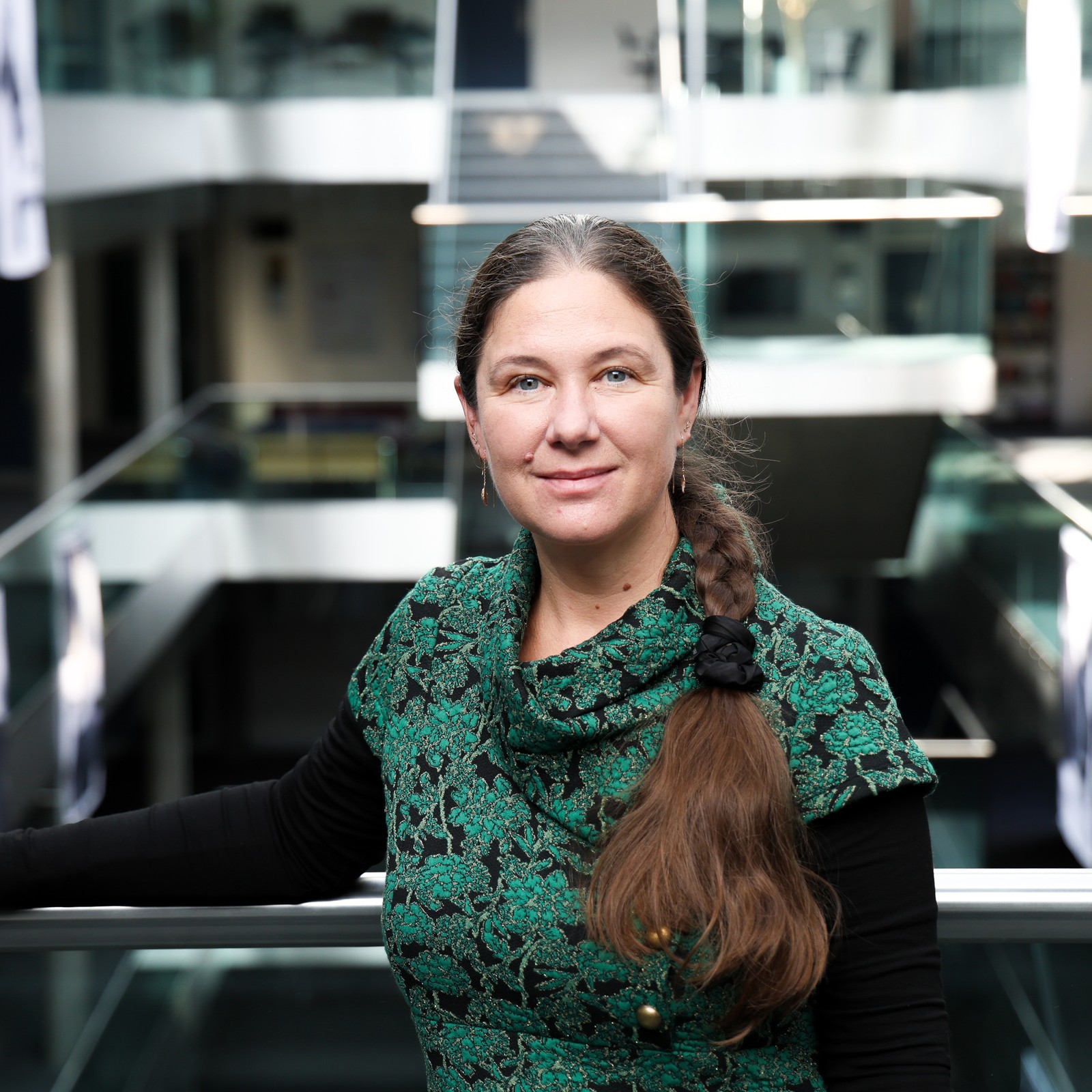
Janna Hastings
Senior Research Scientist, Human-Centered Health AI Group
Idiap Research Institute, Martigny, Switzerland
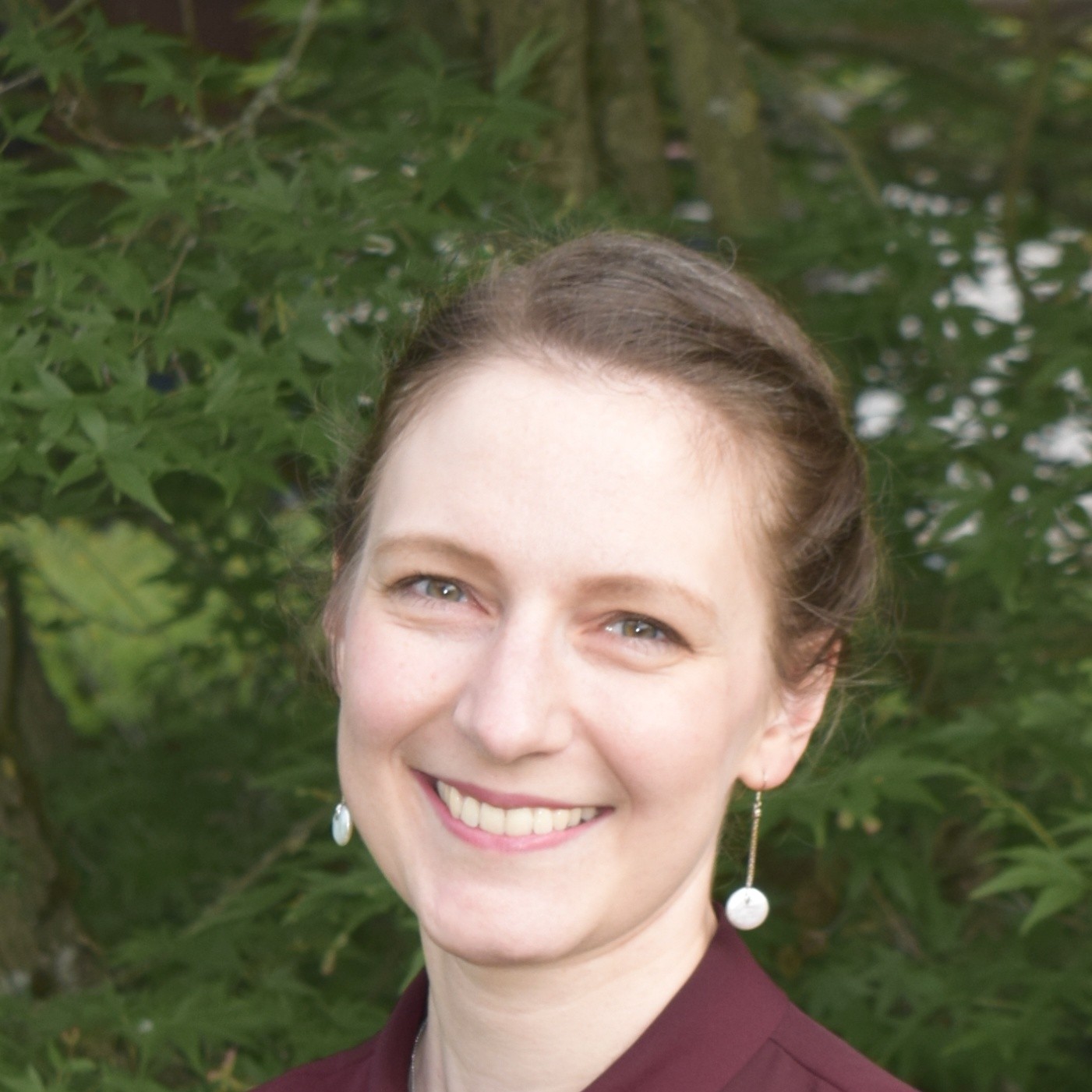
Katharina Breininger
Professor of Pattern Recognition
Center for Artificial Intelligence and Data Science (CAIDAS), Julius-Maximilians-Universität Würzburg
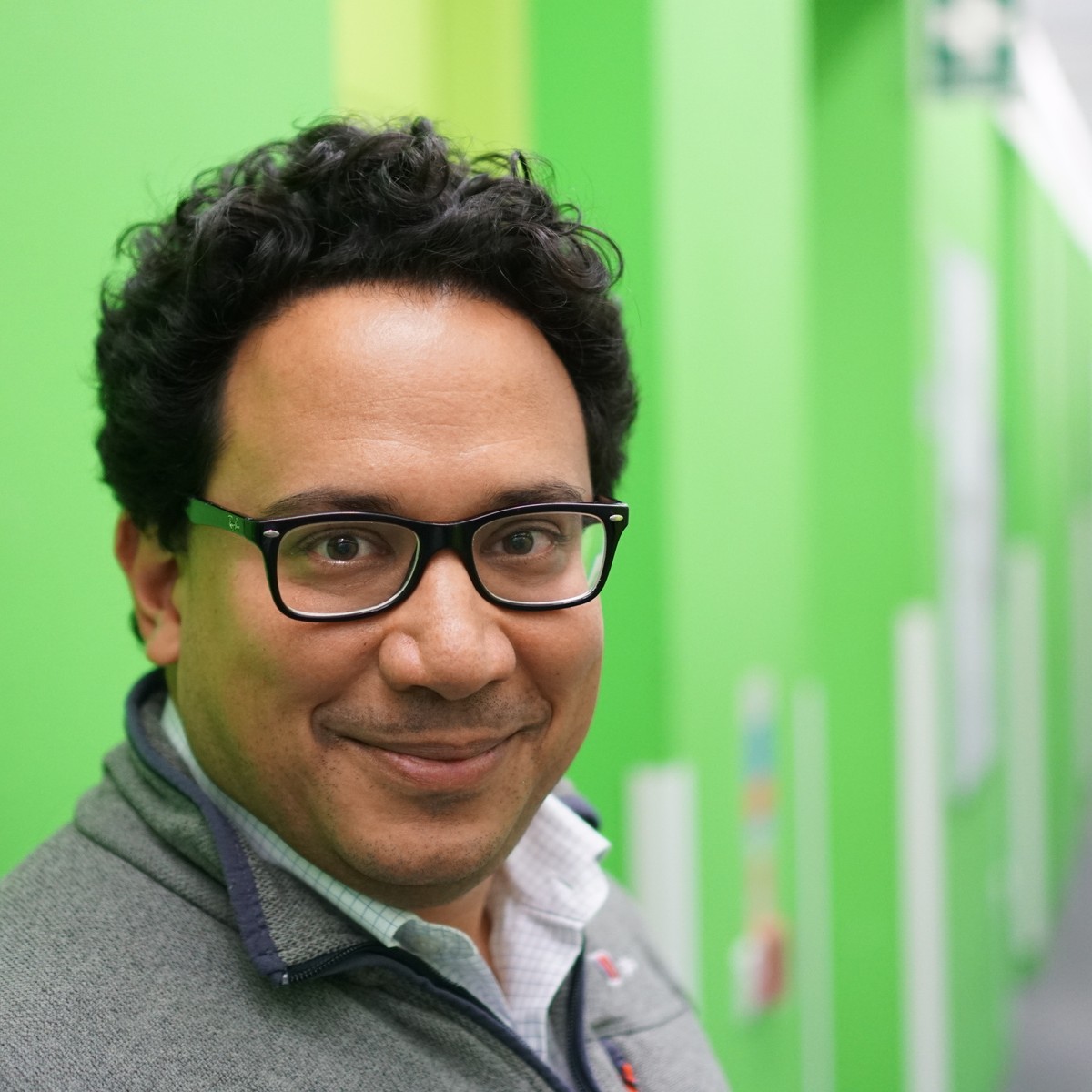
Aldo Faisal
Professor of AI & Neuroscience
Imperial College London / Digital Health, University of Bayreuth
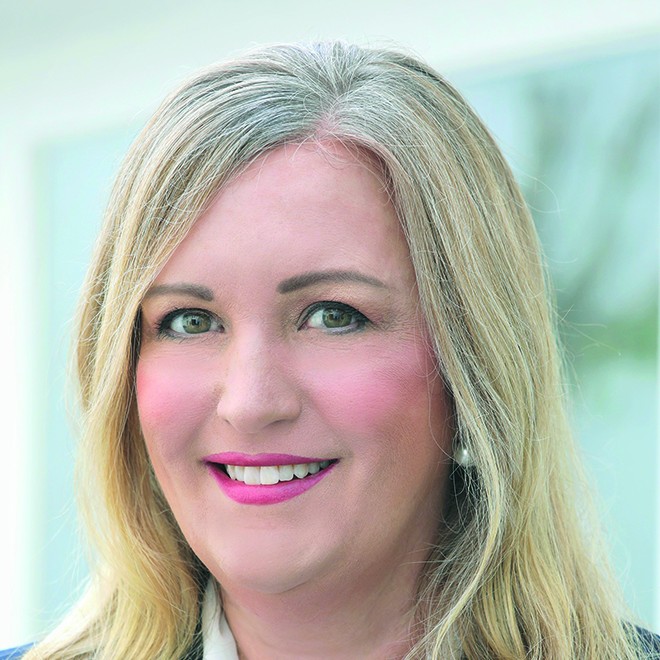
Claudia Seitz
Head of the Institute for European and International Law (IEIL)
Private University in the Principality of Liechtenstein (UFL)
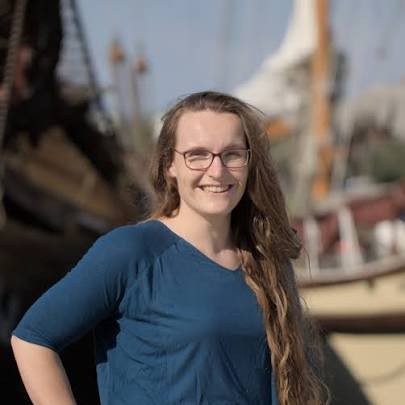
Gesina Schwalbe
Juniorprofessor for Explainable Artificial Intelligence
Institute of Artificial Intelligence, Ulm University
Program Overview
14 July 2026
Registration & Coffee
Diverse Voices Event
Bias Awareness 1
Dr. Cornelia Altenburg, Golin Wissenschaftsmanagement, Berlin
Coffee Break
Equal Voices Event
Bias Awareness 2
Lunch
75 min.
Lecture
Introduction to Medical Imaging: Technology and Clinical Applications – Part II, Metabolic / Nuclear Imaging
Prof. Ambros Beer, in cooperation with Prof. Meinrad Beer, Dr. Ina Vernikouskaya
Part of KEMAI Module 2 'Foundations of Medical Imaging'
Coffee Break
KEMAI Science Communication
Demonstrator brainstorming and conceptualisation
Break
KEMAI Science Communication
Demonstrator brainstorming and conceptualisation
Break
Dinner
15 July 2026
Registration & Coffee
Welcome & Invited Talk
Using LLMs for Structured Clinical Annotations: The New Reproducibility Crisis and Its Mitigation
Janna Hastings, Human-Centered Health AI Group, Idiap Research Institute, Martigny, Switzerland
Coffee Break
15 min.
KEMAI Doctoral Researchers 1
Publication Strategies
10:25 Alexander Lodemann (Institute of Artificial Intelligence) · 10:40 Nahla Taha (Institute of Medical Systems Biology) · 10:55 Yiheng Xiong (University Hospital of Ulm, Section of Experimental Radiology)
MD Project Presentation: 11:10 Jonas Plathow (Clinic for Diagnostic and Interventional Radiology)
Break
Invited Talk
Crossing the Gap? Investigating Foundation Models in Computational Pathology
Katharina Breininger, Pattern Recognition Lab, Julius-Maximilians-Universität Würzburg
Lunch
75 min.
KEMAI Doctoral Researchers 2
Publication Strategies
13:35 Jacob Costantino (Humboldt Centre) · 13:50 Nina Parchmann (Institute of History, Philosophy and Ethics of Medicine) · 14:05 Uliana Vedenina (Institute of Media Informatics)
MD Project Presentations: 14:20 Henriette Czech (Nuclear Medicine) · 14:25 Hanna Krekler (Nuclear Medicine)
Break
Invited Talk
From John Snow to Nightingale AI
Aldo Faisal, AI & Neuroscience, Imperial College London / Digital Health, University of Bayreuth
Coffee Break
15 min.
KEMAI Doctoral Researchers 3
Publication Strategies
15:50 Atif Khurshid (Institute of Neural Information Processing) · 16:05 Maximilian Otte (Institute of Neural Information Processing) · 16:20 Michael Glöckler (Institute of Media Informatics)
MD Project Presentation: 16:35 Christina Zellner (Nuclear Medicine)
Break
Poster Session & Poster Awards
Dr. med. & Dr. rer. nat./PhD
Break
15 min.
BBQ
16 July 2026
Invited Talk
Digitalization and Data Governance in AI-Driven Healthcare: Between Innovation Incentives, Risk Regulation and Fundamental Rights Protection
Prof. Dr. iur. Claudia Seitz, Head of the Institute for European and International Law (IEIL), Private University in the Principality of Liechtenstein (UFL)
Coffee Break
15 min.
KEMAI Talk
Towards Explainable Control: Concept-Based Explainability for Verification and Integration of Symbolic Knowledge in Neural Networks
Dr. Gesina Schwalbe, Juniorprofessor for Explainable Artificial Intelligence, Ulm University
Break
Parallel Sessions
Progress report (doctoral researchers & associated doctoral researchers)
Board meeting (KEMAI PIs, doctoral spokesperson, EO advisor)
Elections
Doctoral spokesperson, Equal opportunities advisor
Lunch
75 min.
Closing
Pre-Meeting: Equal Voices Event – Bias Awareness
KEMAI is committed to supporting early career scientists of all genders and backgrounds in medical AI. We aim to raise awareness of structural and mindset-related issues concerning gender and ethnic or social background.
To reflect this, the event’s first morning traditionally addresses equality-specific challenges in academia. The day also offers space for exchange between junior and senior diverse researchers to encourage mentoring and dialogue across career stages. This event is open to all genders.
Bias Awareness – Strategies to Change Thought Patterns
The academic area is a place of qualification, performance, and the best argument. Age, gender, origin, and appearance are not supposed to matter. But is this really possible? Our brain tends to have certain preferences, and we are often not aware of it.
Wouldn’t it be nice to increase your awareness of unconscious bias and its impact, e.g. in regard to a language sensitive to discrimination? On this basis you are able to manage your biases and develop personal strategies to change your own thought patterns, and track the progress.
During the workshop the current state of research will be discussed. The participants will familiarise with different techniques to handle their biases and try the tools out, individually as well as in groups.
The following topics are covered:
- The basics: Unconscious bias and its impact
- Evolving awareness: Our brain and biases in the academic context
- What helps: Theory and strategies
- Finding a personal strategy: Overcoming mental blocks and barriers
- Bias awareness: My next steps
In cooperation with Dr. Cornelia Altenburg, Golin Wissenschaftsmanagement Berlin.
Invited Talks
Wednesday, July 15, 2026: 9:10 – 10:10, Schloss Reisensburg, Roter Saal
Abstract:
Large language models (LLMs) are increasingly used to automate structured annotations of clinical data grounded in biomedical ontologies. However, such models perform stochastically, are sensitive to context and prompt formulation, and may evolve without accessible version archives. As a result, they are rapidly introducing a reproducibility crisis. This presentation will examine how this problem can be at least partially mitigated, with concrete examples taken from biochemistry, clinical notes, and evidence synthesis in mental health, concluding with highlighting some persistently open research challenges in this area.
Bio:
Janna Hastings was born in Cape Town, South Africa, where she completed her undergraduate studies in Mathematics and Computer Science. Thereafter, she moved to Cambridge, UK, to join the Cheminformatics and Metabolism group at the European Bioinformatics Institute (2006–2015) where she led the development of the ChEBI molecular ontology and metabolism knowledgebase. She completed part-time Master’s degrees in Computer Science (University of South Africa, 2011) and Philosophy (Open University, 2012) before obtaining her PhD in Computational Biology from the University of Cambridge (2015–2019), where she studied the role of metabolism in healthy aging using multi-omics data and a time-series modelling approach. She completed postdoctoral studies at the Otto-von-Guericke University Magdeburg (2019–2022), at the EPFL (2020–2022), and with the Human Behaviour-Change Project at University College London (2017–2022). Between 2022 and 2025 she was an Assistant Professor in the Medical Faculty of the University of Zurich, and since January 2026 she has taken up the position of Senior Research Scientist at the Idiap Research Institute, where she leads the Human-Centered Health AI group focused on advancing AI methods for health-related applications, particularly hybrid approaches that combine knowledge with large-scale data.
Wednesday, July 15, 2026: 11:20 – 12:20, Schloss Reisensburg, Roter Saal
Abstract:
Foundation models have become an important ingredient in medical image analysis, especially in computational pathology. They hold the promise of reducing the need for annotated training data, increasing robustness, and broadening applicability. Still, their real-world value depends on robust adaptation across scanners, clinical sites, and application domains. This talk will examine recent research on domain shifts, benchmarks, and data-efficient model adaptation in medical imaging, with a focus on histopathology. It will explore typical adaptation strategies such as linear probing, end-to-end training, self-supervised approaches, and parameter-efficient methods, showing that foundation models are powerful starting points but are not automatically superior without careful adaptation. Particular focus will be placed on their potential in limited-label settings, while highlighting open challenges in generalization, validation, and domain-aware evaluation.
Bio:
Katharina Breininger is Professor of Pattern Recognition at the Center for Artificial Intelligence and Data Science (CAIDAS) and the Institute of Computer Science at Julius-Maximilians-Universität Würzburg. Her research focuses on robust and generalizable machine learning for interdisciplinary applications, with a particular emphasis on medicine and medical imaging. Her group investigates representation learning, generalization under domain shifts, annotation and labeling strategies, human factors, and human-AI collaboration, while also developing open-source tools and datasets for semi-automatic and collaborative annotation. Application areas include intraoperative and multimodal imaging, interventional imaging, microscopy, and digital pathology. She studied computer science in Marburg and Erlangen and completed her PhD in 2020 at FAU Erlangen-Nürnberg on image fusion for minimally invasive interventions in collaboration with Siemens Healthineers. Before joining Würzburg in 2024, she was W1 Professor of Artificial Intelligence in Medical Imaging at FAU, where she led the AI in Medical Imaging lab.
Wednesday, July 15, 2026: 14:35 – 15:35, Schloss Reisensburg, Roter Saal
Abstract:
My talk traces the intellectual arc from the birth of data driven medical science to modern foundation models in healthcare, using John Snow as a conceptual starting point and extending to our development of Nightingale AI. It examines how the core logic of data-driven inference — linking observations to actionable interventions — has evolved from statistics and causal reasoning to large-scale, multimodal machine learning. We will discuss how contemporary ML systems move beyond static prediction toward continuous patient modelling, integrating heterogeneous data streams (EHR, imaging, biosignals, behaviour) into unified latent representations. The talk will highlight the role of foundation models, reinforcement learning, and related approaches in enabling this transition, as well as the constraints imposed by clinical validation, regulatory frameworks, and real-world deployment. The objective is to provide a principled view of how modern AI systems can be understood as a natural extension of data driven reasoning — while also identifying where fundamentally new methodological and conceptual challenges emerge.
Bio:
Aldo Faisal is a Professor of AI & Neuroscience jointly at the Dept. of Bioengineering and the Dept. of Computing at Imperial College London, where he leads the Brain & Behaviour Lab. Aldo is also Director of the Behaviour Analytics Lab at the Data Science Institute. He is also Associate Investigator at the MRC London Institute of Medical Sciences and is affiliated faculty at the Gatsby Computational Neuroscience Unit (University College London). Aldo serves as an Associate editor for Nature Scientific Data and PLOS Computational Biology and has acted as conference chair, area chair, and program chair in key conferences in the field (e.g. Neurotechnix, KDD, NIPS, IEEE BSN); in 2016 he was elected into the Global Futures Council of the World Economic Forum. Aldo received a number of awards and distinctions, including being a scholar of the German National Merit Foundation (Studienstiftung des Deutschen Volkes), a Fellow of the Böhringer-Ingelheim Foundation for Basic Biomedical Research, elected as a Junior Research Fellow at the University of Cambridge (Wolfson College), and research prizes such as the Toyota Mobility Foundation award in 2018 ($50,000). Aldo’s lab has featured regularly across global media (BBC, CNN, WIRED, TED, TEDx, New Scientist, Guardian, Times of India, etc.) and Scientific American voted his research on gaze-based control as 1st of 10 most transformative ideas for 2016.
Thursday, July 16, 2026: 9:00 – 10:00, Schloss Reisensburg, Roter Saal
Abstract:
Artificial intelligence is increasingly transforming healthcare, ranging from clinical decision-support systems and AI-assisted diagnostics to personalised medicine and the secondary use of health data for research and innovation. At the same time, the growing reliance on data-driven technologies raises fundamental legal and ethical questions concerning data governance, accountability, transparency, patient autonomy and the protection of fundamental rights. The presentation explores the evolving European regulatory framework for AI-driven healthcare, including the interplay between data protection law, health law and AI regulation under the EU AI Act. Particular attention will be paid to the challenges of balancing innovation incentives and technological progress with the need to ensure patient safety, trustworthy AI and effective protection of individual rights, including ongoing debates on the assessment, governance, transparency and regulation of risks associated with AI-enabled healthcare. Against the background of the ongoing digital transformation of healthcare, the presentation will discuss how legal and regulatory frameworks can contribute to responsible innovation and sustainable governance of AI-enabled health technologies in Europe.
Bio:
Prof. Dr. Claudia Seitz is Professor of Public Law, European Law, International Law and Life Sciences Law and Head of the Institute of European and International Law (IEIL) at the Faculty of Law of the Private University in the Principality of Liechtenstein (UFL). She also holds academic appointments as Visiting Professor at Ghent University (Belgium) and as Senior Lecturer at the Universities of Basel (Switzerland) and Bonn (Germany). Her research focuses on European Union and international law, health law, digital health regulation and the legal governance of emerging technologies, in particular artificial intelligence. She holds, i.a., an Executive Master in Law and AI from the Brussels School of Competition Law. Prof. Seitz has been affiliated with several international research initiatives in the fields of biotechnology and life sciences law. She is co-editor of the European Health and Pharmaceutical Law Review (EHPL) and the Europäische Zeitschrift für Wirtschaftsrecht (EuZW). In addition, she serves as advisor to international organisations, including the World Health Organization (WHO), the World Intellectual Property Organization (WIPO) and the EU AI Office of the European Commission.
Thursday, July 16, 2026: 10:15 – 10:45, Schloss Reisensburg, Roter Saal
Abstract:
Deep neural networks (DNNs) achieve unbeaten performance in automated processing of non-symbolic sensory inputs like images. This includes safety-critical application areas such as automated driving or diagnosis assistant systems in healthcare. Such domains come along with a rich set of prior, human-defined symbolic (expert) knowledge, like known object relations (e.g., a head typically indicates a pedestrian) or medical expert knowledge (e.g., a skin cancer region is usually colored different from its surroundings). System safety certification now demands strict compliance to these prior rules, making it a compelling goal to use available knowledge directly during DNN training, peek inside the DNN to check whether the knowledge was learned correctly, and potentially correct errors. These aims face the opacity and distributed representations of DNNs as a major difficulty: one cannot directly read off which knowledge was learned about human-interpretable concepts and their relations, hindering integration, extraction, (formal) verification, and correction of DNNs against symbolic knowledge. The field of concept-based explainable AI (C-XAI) poses a promising pathway to bridge this gap, associating human-readable specifications with latent encodings in DNNs. In this talk I introduce the basics and pitfalls of concept-based explainability, and give a peek into my research on novel C-XAI explanation techniques as well as their application to verification and correction of computer vision DNNs.
Bio:
Gesina Schwalbe started her tenure track juniorprofessorship for Explainable Artificial Intelligence in April 2026 at the Institute of Artificial Intelligence, Ulm University. Here she continues her lead of the junior research group Correctable Hybrid Artificial Intelligence, for which she acquired funding starting in Sep 2024 during her postdoctoral time at University of Lübeck (2024–2026). Her group investigates explainable AI techniques for the verification, correction, and integration of symbolic knowledge into deep neural networks, with applications in automated driving, chemistry, and medical AI. This directly builds upon her research on explainability for safe and trustworthy AI, which she conducted as project lead (2021–2023) and doctoral researcher (2018–2022, supervised by Prof. Ute Schmid, Otto-Friedrich-Universität Bamberg) at the Continental AG automotive supplier.
View all KEMAI Invited Talks here.
Venue: Reisensburg Castle
Reisensburg Castle, situated near river Danube, some 25 km downstream from Ulm, is a Conference Centre of Ulm University. It’s part of the town Günzburg and located in the “Schwäbischer Barockwinkel” (Swabian Baroque Corner), a region known for its baroque churches, monasteries and castles.
Travel to Reisensburg
By Train to Günzburg
Train station Günzburg Hbf is served by ICE and IC trains from Airports Stuttgart and Munich. (www.bahn.de)
From Günzburg main station to Reisensburg – walking or taxi. Walking distance to Reisensburg Castle: 2.2 km / 25 min: When leaving the station building, turn left into Siemensstraße. Go on to Dillinger Straße (B10, B16) – a broad highway. Then, after 250 m, turn left to the Reisensburger Straße. Also proceed on Günzburger Straße. Then turn left to Weihergasse. You will then see Reisensburg Castle.
By Car
Please take a look at the description (in German) provided by Wissenschaftszentrum Schloss Reisensburg.
Address
Reisensburg Castle
Bürgermeister-Joh.-Müller-Str. 1
D-89312 Günzburg/Donau
Phone: +49 (0) 8221-9070
Fax: +49 (0) 8221-907-55
Download Full Program
For your convenience, you can also download the complete Summer School 2026 program as a PDF: