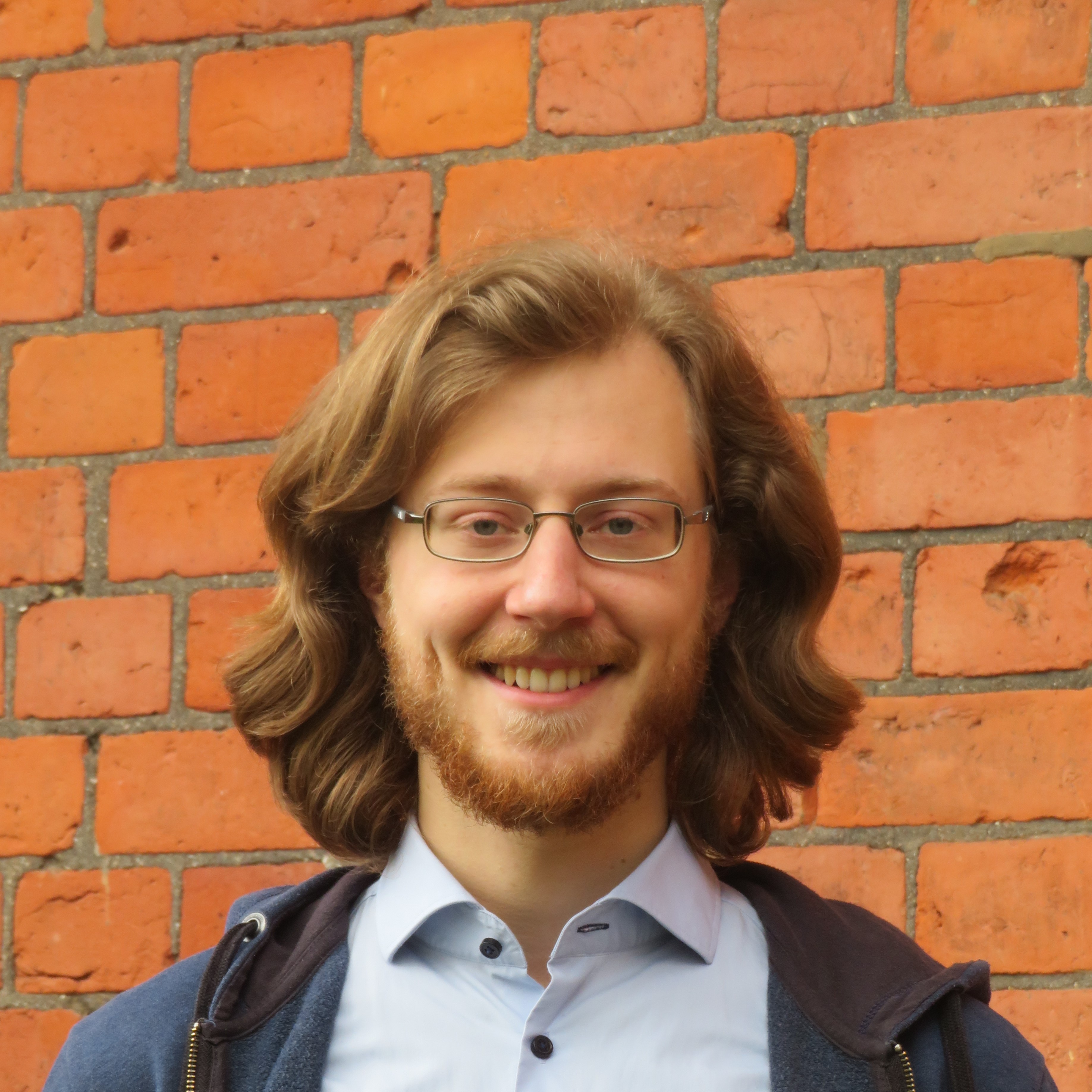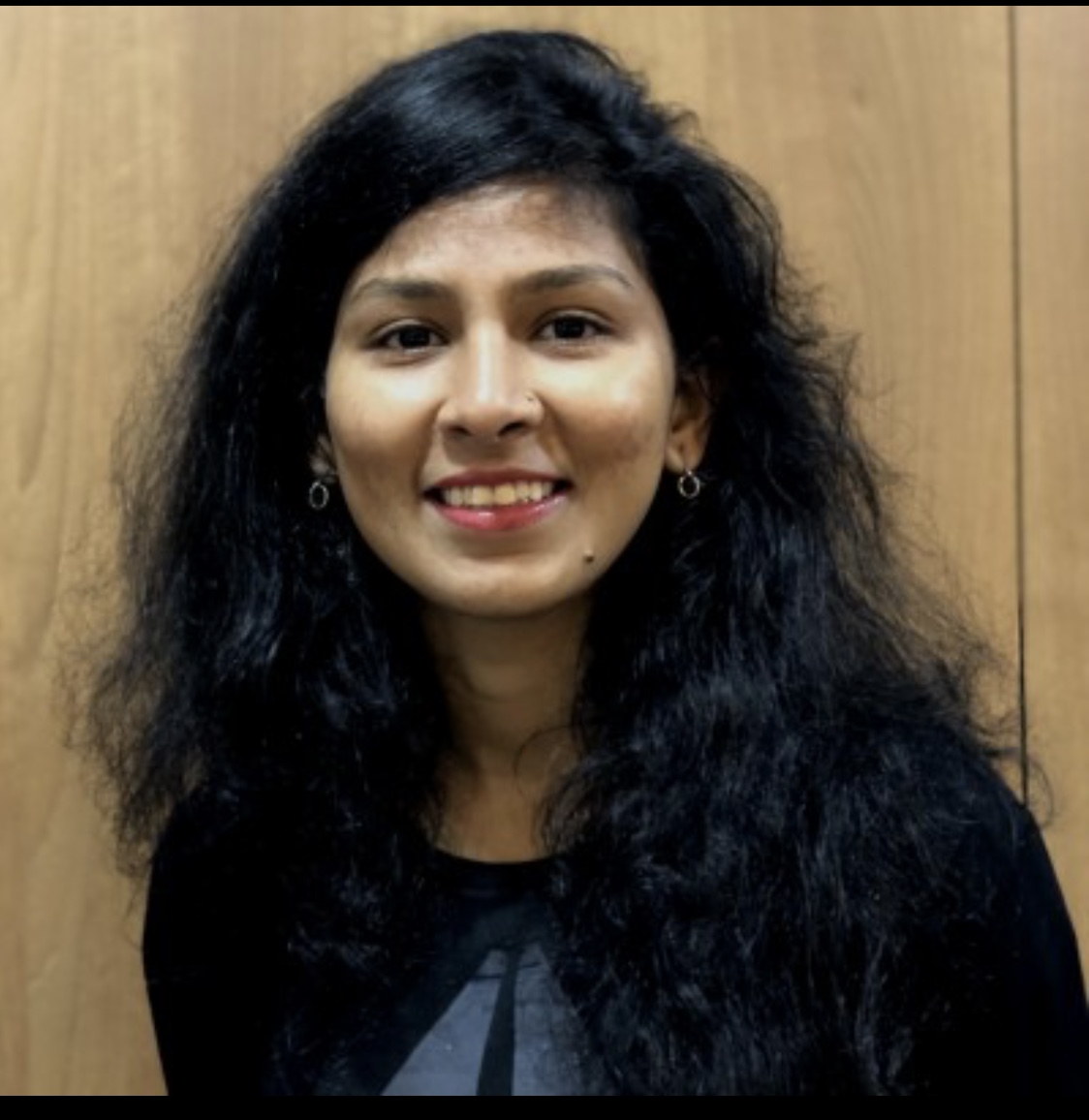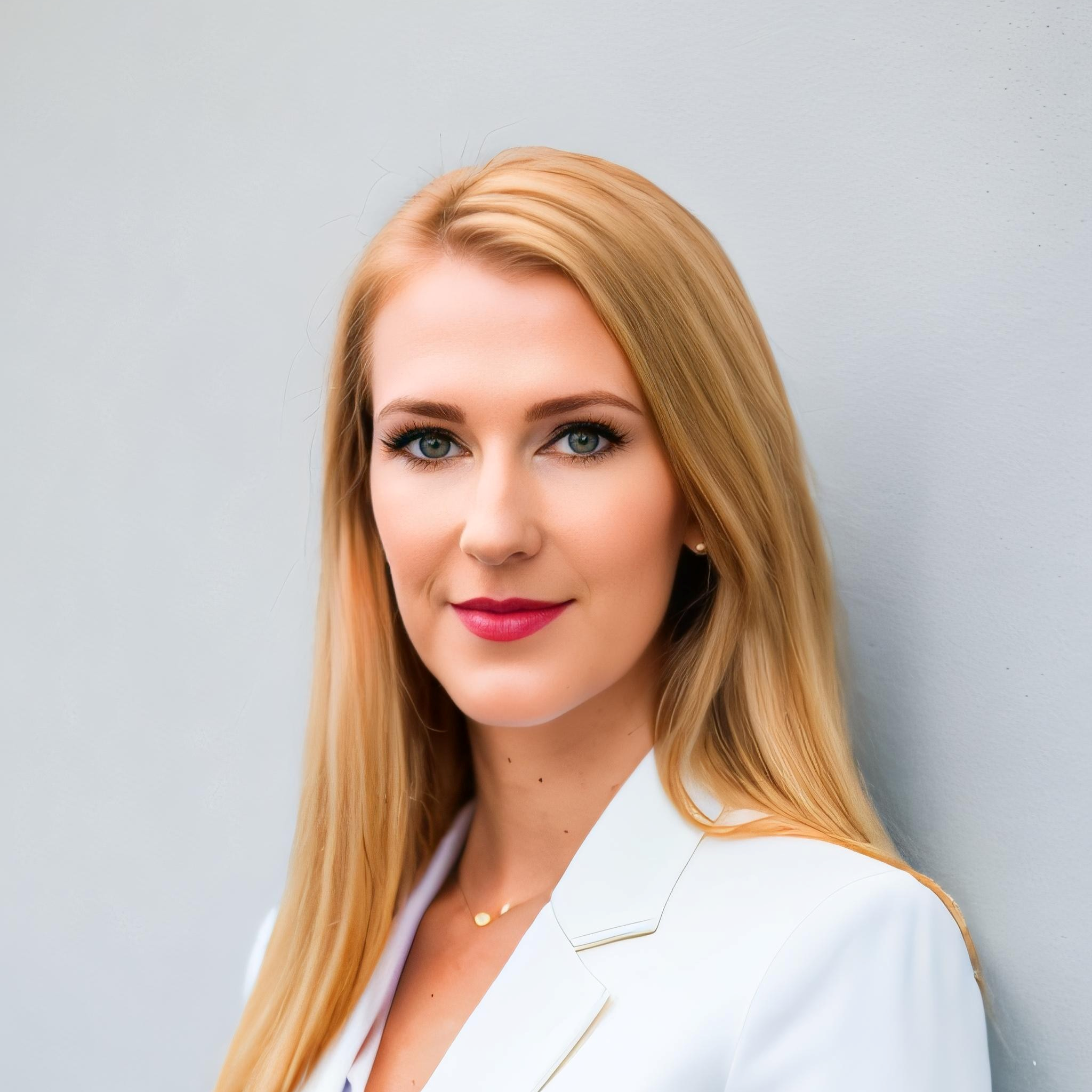
The KEMAI Team

Associated Researchers

Meet the associated researchers of the KEMAI project team.

17 researchers
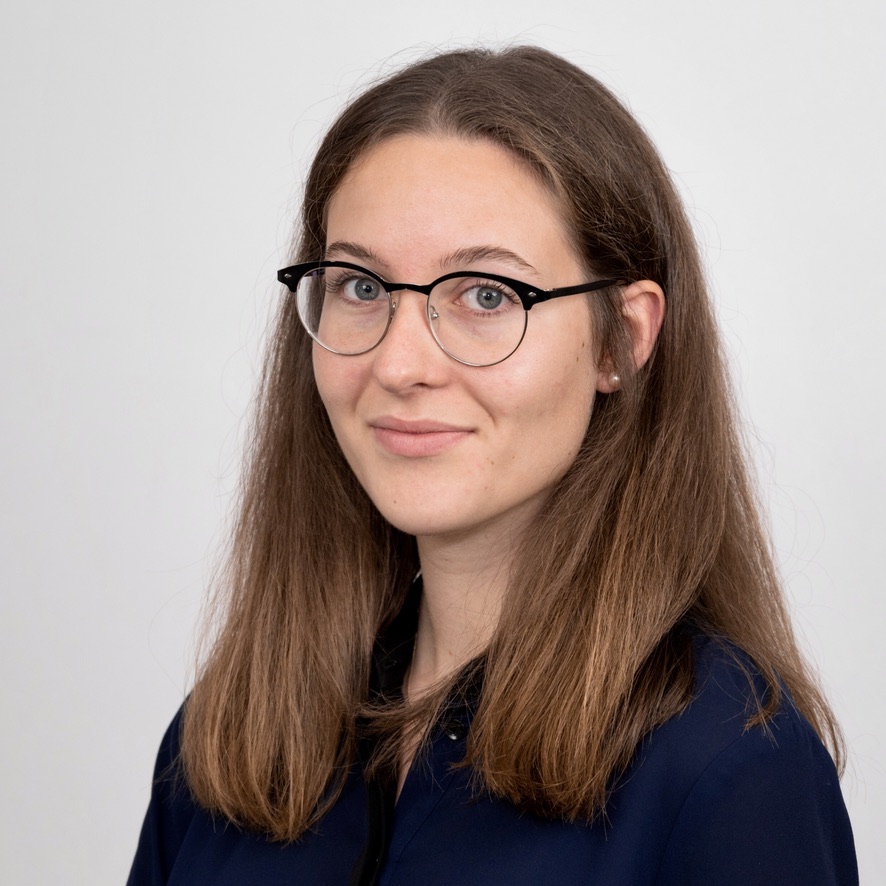
Alicia Pirwass, M.Sc.
Institute of Artificial Intelligence
Explanation of classification decisions for medical hybrid systems
Daniel Wolf, M.Sc.
Daniel Wolf, M.Sc.
Institute for Media Informatics, Visual Computing Group
Deep Learning for Medical Imaging
Dennis Eisermann, M.Sc.
Institute of Distributed Systems
Defending Autonomous Systems with Explainable AI Against Adversarial Threats
Dr. Astrid Schomäcker
Postdoctoral Researcher
Professorship for Philosophy, Computer Science & AI, University of Bayreuth
Ethical and epistemological effects of deepfakes; algorithmic fairness; explainable AI
Dr. Hauke Behrendt
Dr. Hauke Behrendt
Assistant Professor (Akademischer Rat)
Institute of Philosophy, University of Stuttgart
Applied Ethics (Ethics of AI & Digital Technologies; Medical Ethics); Social & Political Philosophy; Metaethics
Dr. Maximilian U. Friedrich, MD
Associated Scientific Group Leader
Department of Neurology, University Hospital Ulm
AI-based movement analytics and multimodal brain imaging for digital biomarkers of neurological disorders
Dr. Vanessa Schäffner
Postdoctoral Researcher
Institute of History and Ethics of Medicine, Medical Department, Heidelberg University
Medical Ethics, Digital Health, Ethics of AI in Pediatric Medicine
Hannah Kniesel, M.Sc.
Institute for Media Informatics, Visual Computing Group
Neural representation learning for bio-medical image processing
Josef Mayer
Josef Mayer
Department of Diagnostic and Interventional Radiology, University Hospital Ulm
Mathematical and Data Driven Approaches for MR Imaging Analysis
Marietta Hamberger, M.Sc.
Institute of Medical Systems Biology, Ulm University
Regulatory inference under uncertainty: mechanistic and functional abstractions in systems biology
Patricia Stöhr, M.Sc.
Institute of Media Informatics, Ulm University
Explainable Medical AI
Paul Kaftan, M.Sc.
Paul Kaftan, M.Sc.
Institute of Medical Systems Biology, Ulm University
Robust and Explainable Deep Learning for Clinical Decision Support
Poonam, M.Sc.
Poonam, M.Sc.
Institute for Media Informatics, Visual Computing Group
The role of representation learning in deep learning
SJ
Saloni Giteshkumar Jethwa, M.Sc.
Visual Computing Group, Ulm University
Precision Movement Analysis and Brain Mapping
Veronika Stiegler, M.Sc.
Comprehensive Cancer Center Ulm (CCCU)
ONCO-INSIGHT - Integrated Oncogenomic Insights for Tumor Board Discussions

Medical Doctoral Researchers

2
Dr. med. Katharina Deininger
Department of Nuclear Medicine, University Hospital Ulm
Machine learning in medical imaging with focus on combining parameters especially in NSCLC patients
VB
Valentina Bainova
Department of Nuclear Medicine, University Hospital Ulm
Comparison of delta-radiomics machine learning with multi-omics and survival analysis using standard imaging parameters in low-risk NSCLC patients prior to primary surgery — with a focus on preoperative FDG PET/CT